The Shadows of Who We Once Were: A Descent into the Darkest Recesses of the Human Soul
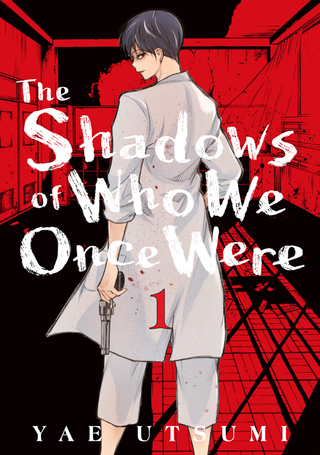
In the vast landscape of psychological thrillers, few titles manage to strip away the veneer of social civility as ruthlessly as *The Shadows of Who We Once Were* (originally titled *Nare no Hate no Bokura*). Written and illustrated by the talented Yae Utsumi, this manga is a harrowing exploration of morality, trauma, and the fragility of the human spirit. If you are looking for a story that challenges your perception of "goodness," this is a mandatory addition to your reading list.
The Premise: A Reunion Turned Nightmare
The story begins with a deceptive sense of nostalgia. Six years after graduating from elementary school, the former students of Class 6-2 gather for a long-awaited reunion. The protagonist, Nezu, arrives expecting to reminisce about innocent childhood memories and reconnect with old friends. However, the atmosphere shifts from celebratory to claustrophobic when they are greeted by Mikio Yume, a former classmate who was always perceived as an enigma.
The reunion quickly transforms into a 52-hour hostage crisis. Mikio, driven by a twisted philosophical curiosity, locks his 27 former classmates inside the school building. His goal is not ransom or simple revenge; it is a "scientific experiment" to test the limits of human virtue. He wants to see if the "goodness" they claim to possess can survive under extreme stress, starvation, and the constant threat of death.
Demographic and Genre: Pushing the Boundaries of Shonen
While *The Shadows of Who We Once Were* was serialized in *Weekly Shōnen Magazine*, it frequently blurs the lines between Shonen and Seinen. Although its target demographic is technically young men, its graphic content, complex psychological themes, and nihilistic undertones resonate deeply with mature audiences who enjoy "survival game" narratives like *Battle Royale* or *Danganronpa*.
Utsumi’s art style perfectly complements this demographic crossover. The character designs retain a certain youthful softness that makes the subsequent violence and psychological breakdowns even more jarring. The evolution of the characters' facial expressions—from joy to terror and eventually to a hollow, "shadowy" emptiness—is a testament to the manga’s title.
Core Themes: The Fragility of the Social Mask
The central theme of the manga is the duality of human nature. Mikio Yume serves as the ultimate provocateur, forcing his peers to choose between their survival and their moral compass. The story asks a haunting question: Is our morality a genuine part of who we are, or is it merely a performance we put on when life is easy?
Another prominent theme is the weight of the past. As the experiment progresses, secrets from their elementary school days begin to surface. The "shadows" of who they once were—the bullies, the victims, the bystanders—re-emerge, proving that the hierarchy of childhood often dictates the tragedies of adulthood. The manga masterfully explores how trauma can remain dormant for years, only to explode when triggered by a crisis.
Why It Stands Out
What sets *The Shadows of Who We Once Were* apart from other survival thrillers is its focus on psychological warfare over physical combat. While there is certainly violence, the true horror lies in the dialogue and the impossible choices Mikio forces upon the group. He doesn't just want to kill them; he wants to break their souls and prove that everyone is capable of atrocity.
Nezu, as the protagonist, represents the reader's moral anchor. His struggle to maintain his humanity while watching his friends descend into savagery provides the emotional core of the series. The tension is palpable, and the pacing is relentless, making it a "page-turner" in the truest sense.
Conclusion
*The Shadows of Who We Once Were* is a grim, thought-provoking masterpiece that refuses to give easy answers. It is a clinical look at the "banality of evil" and the thin line that separates a civilized human being from a monster. For fans of psychological suspense and dark character studies, Yae Utsumi’s work is a haunting reminder that the most dangerous shadows are the ones we carry within ourselves. If you are prepared to have your faith in humanity tested, step into Class 6-2—but don't expect to leave unchanged.
📖 Leer online en Donmanga:
➡️ The Shadows of Who We Once Were – Leer Manga