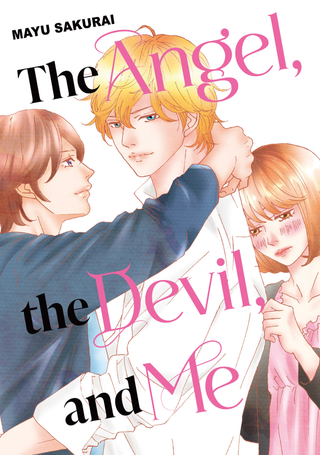
The Angel, the Devil, and Me: A Supernatural Tug-of-War for the Heart and Soul
In the vast landscape of supernatural romance and slice-of-life manga, few titles manage to balance celestial stakes with domestic charm as effectively as *The Angel, the Devil, and Me* (known in Japan as *Tenshi to Akuma to Watashi*). Created by the mangaka U-temo, this series offers a refreshing, often comedic, and deeply introspective look at the classic "angel on one shoulder, devil on the other" trope. If you are looking for a story that transcends simple binary morality while delivering a heartwarming narrative, this is a must-read.
The Plot: An Unexpected Domestic Trinity
The story follows Hina, an ordinary high school girl whose life is defined by its normalcy—until the day the metaphysical world decides to move into her apartment. The premise kicks off when Hina finds herself caught between two powerful entities: an Angel named Liel and a Devil named Bel. Unlike the epic battles of heaven and hell depicted in battle shonen, the conflict here is far more personal and, ironically, more grounded.
Liel and Bel have descended to the human realm with a specific mission centered around Hina. However, instead of a grand war for her soul, the story settles into a unique "roommate" dynamic. Hina is forced to navigate the daily challenges of living with two supernatural beings who have vastly different worldviews. Liel is the embodiment of purity, often coming across as naive, overly earnest, and sometimes stifling in his quest for "goodness." On the other hand, Bel is mischievous, cynical, and prone to temptation, yet he possesses a raw honesty that Liel often lacks.
As the trio navigates school life, part-time jobs, and the complexities of human emotions, Hina becomes the bridge between these two extremes. The plot evolves from simple "fish-out-of-water" comedy into a poignant exploration of how these celestial beings influence Hina’s growth, and more importantly, how Hina’s humanity begins to change them.
Demographics and Artistic Style
*The Angel, the Devil, and Me* primarily falls under the Shojo and Josei demographics. While it features the supernatural elements common in Shonen, its core focus is on interpersonal relationships, emotional nuance, and the psychological development of its characters. It appeals to readers who enjoy "Reverse Harem" dynamics but prefer a more mature, thoughtful execution over pure fanservice.
U-temo’s art style is a standout feature. The character designs are elegant and distinct, utilizing clean lines and expressive facial work that captures the subtle shifts in mood. The contrast between the ethereal, light-filled aesthetic of the Angel and the sharper, shadow-heavy design of the Devil visually reinforces the thematic tension of the story without being overbearing.
Core Themes: Beyond Black and White
The brilliance of this manga lies in its thematic depth. It tackles several heavy concepts through a lighthearted lens:
1. The Duality of Morality: The manga constantly challenges the idea that "Angel equals Good" and "Devil equals Evil." Through Hina’s eyes, we see that Liel’s absolute righteousness can be cold and judgmental, while Bel’s "sinful" nature often manifests as a celebration of human desire and freedom. It asks the reader: is it better to be perfectly moral or authentically human?
2. Coexistence and Tolerance: Living together serves as a metaphor for societal harmony. The friction between Liel and Bel represents the clash of opposing ideologies. Hina’s role as the mediator highlights the importance of empathy and finding a middle ground.
3. Identity and Choice: A recurring theme is the struggle to define oneself outside of a predetermined role. Liel and Bel are literally "born" into their roles as
📖 Leer online en Donmanga:
➡️ The Angel, the Devil, and Me – Leer Manga