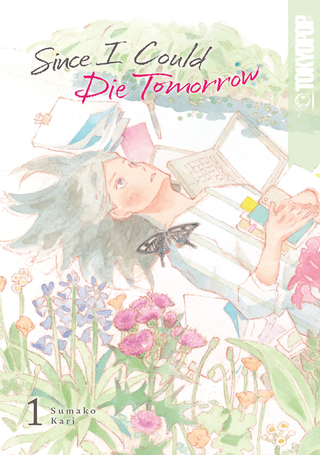
Title: Embracing the Fragility of Life: A Deep Dive into "Since I Could Die Tomorrow" (Asu Shinu Kamo Shirenai kara)
In the vast landscape of contemporary manga, few works manage to capture the quiet, pulsating anxiety of adulthood with as much grace and honesty as Sumako Kari’s "Since I Could Die Tomorrow" (*Asu Shinu Kamo Shirenai kara*). As an otaku who has spent decades analyzing everything from high-octane Shonen battles to avant-garde Seinen experiments, I find that it is often these grounded, introspective stories that leave the most lasting impact. This manga is a poignant exploration of mortality, not through the lens of tragedy, but through the lens of daily living.
The Plot: A Wake-Up Call in the Middle of the Night
The story follows Asako, a 42-year-old freelance film editor living in Tokyo. Asako is the quintessential modern professional: she is skilled, independent, and perpetually exhausted. Her life is a cycle of tight deadlines, caffeine-fueled nights in editing suites, and a diet consisting largely of convenience store meals. She has lived this way for years, successfully navigating the competitive world of post-production while maintaining a solitary but functional existence.
Everything changes one night when Asako experiences sudden, terrifying heart palpitations. In that moment of physical vulnerability, a singular, chilling thought takes root: *"I could die tomorrow."*
Unlike many stories that would use such a premise to launch into a melodramatic "bucket list" adventure, Sumako Kari takes a far more realistic and relatable route. Asako doesn’t quit her job to travel the world; instead, she begins a meticulous and deeply personal re-evaluation of her current life. She starts to address the "clutter" of her existence—both physical and emotional. From organizing her finances and decluttering her apartment to reconsidering her professional boundaries and estranged social connections, Asako embarks on a journey of "pre-death" preparation that ironically teaches her how to truly live for the first time.
Demographic: The Power of Josei
"Since I Could Die Tomorrow" is a definitive Josei manga. While Shonen targets young boys and Seinen targets adult men, Josei is crafted for adult women. This demographic is known for its psychological depth and its willingness to tackle the unvarnished realities of domestic life, career struggles, and the complexities of aging.
Kari’s work stands out in the Josei genre by eschewing the typical focus on romantic pursuit. While relationships are present, the core "romance" is Asako’s reconciliation with herself. It speaks directly to a generation of readers who feel the pressure of societal expectations regarding marriage and career, offering a narrative that validates the choice to live independently while acknowledging the fears that come with it.
Main Themes: Mortality, Independence, and the "Solo" Life
1. The Practicality of Mortality:
The manga treats death not as a distant specter, but as a logistical reality. Asako’s journey involves "Shukatsu" (end-of-life planning), a concept gaining traction in Japan. By facing the reality of her end, she finds the agency to change her present. It’s a theme that resonates deeply in a post-pandemic world where many have reconsidered their life choices.
2. The Creative Grind and Burnout:
As an editor, Asako’s life is defined by the "cut." The manga brilliantly uses her profession as a metaphor for her life. She spends her days trimming unnecessary footage to find the heart of a story, yet she had forgotten to do the same for her own life. The depiction of the Japanese film industry is gritty and authentic, highlighting the physical toll of creative labor.
3. The "Solo" Experience:
In a society that often prioritizes the family unit, "Since I Could Die Tomorrow" is a love letter to the "solo" life. It explores the freedom of independence alongside the very real anxiety of *Kodokushi* (lonely death). Asako’s growth lies in finding a middle ground—maintaining her independence while building a "safety net" of meaningful human connections.
Conclusion: Why You Should Read It
Sumako Kari’s art style is minimalist yet expressive, perfectly mirroring the "decluttering" theme of the narrative. The pacing is deliberate, allowing the reader to breathe and reflect alongside Asako.
"Since I Could Die Tomorrow" is more than just a slice-of-life manga; it is a philosophical guide for the modern adult. It reminds us that acknowledging our expiration date isn't morbid—it’s the ultimate motivation to ensure that the time we have left is spent on our own terms. Whether you are in your 20s looking ahead or in your 40s looking around, Asako’s journey is a mirror that asks: *If you died tomorrow, would you be satisfied with today?*
📖 Leer online en Donmanga:
➡️ Since I Could Die Tomorrow – Leer Manga