# The Quiet Brilliance of March Comes in Like a Lion: A Seinen Masterpiece
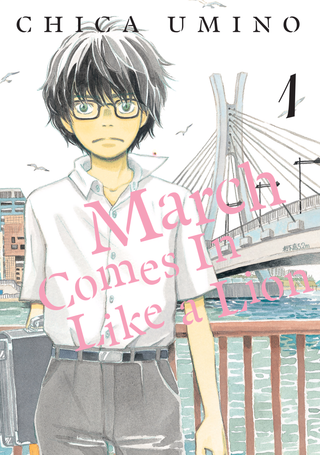
If you were to ask any seasoned manga enthusiast to name a series that perfectly captures the fragility of the human spirit, "March Comes in Like a Lion" (*Sangatsu no Lion*) would undoubtedly be at the top of the list. Created by the visionary Chica Umino—the same brilliant mind behind *Honey and Clover*—this series is far more than just a story about a board game. It is a profound exploration of loneliness, recovery, and the intricate webs of human connection.
The Demographic: A Seinen Soul
While many Western fans initially mistake it for a Shojo due to Umino’s soft, expressive art style, *March Comes in Like a Lion* is firmly rooted in the Seinen demographic. Serialized in *Young Animal*, it targets a young adult male audience, though its universal themes have garnered a massive following across all genders and ages. Unlike the high-octane battles of Shonen, this Seinen gem focuses on internal conflict, psychological depth, and the slow, often painful process of emotional maturation.
The Plot: A Prodigy in a Cold World
The story follows Rei Kiriyama, a 17-year-old professional Shogi (Japanese chess) player. Rei is a "prodigy," one of the few to reach professional status while still in middle school. However, behind the prestige lies a soul fractured by tragedy. Having lost his biological parents and younger sister in a car accident at a young age, Rei was taken in by his father’s friend, a Shogi professional named Koda.
Growing up in the Koda household was not a sanctuary; it was a battlefield. Rei’s natural talent for Shogi inadvertently caused a rift between him and his foster siblings, who couldn't keep up with their father’s expectations. To escape the suffocating atmosphere of resentment and the crushing pressure of his own genius, Rei moves out on his own to a lonely apartment in Rokugatsu-cho. He lives a life of isolation, drowning in a sea of depression and the "black river" of his own thoughts, until a chance encounter changes everything.
The Warmth of the Kawamoto Sisters
The narrative shifts beautifully when Rei is taken under the wing of the Kawamoto sisters: Akari, Hinata, and Momo. Living in the nearby neighborhood of Sangatsu-cho, these three sisters and their grandfather provide the emotional anchor Rei never knew he needed.
Akari, the eldest, acts as a maternal figure; Hinata is a middle-schooler with a heart of gold and fierce resilience; and little Momo brings a pure, uncomplicated joy to the screen. Their home is a place of warmth, food, and laughter—a stark contrast to the cold, clinical world of professional Shogi. Through them, Rei begins to learn that he doesn't have to carry his burdens alone.
Main Themes: Beyond the Shogi Board
While Shogi serves as the backbone of the plot, the manga is primarily a Slice of Life and Psychological Drama. Several key themes define the work:
1. Loneliness and Belonging: The series masterfully depicts the difference between being "alone" and being "lonely." Rei’s journey is one of finding a place where he truly belongs, moving from a state of survival to a state of living.
2. The Weight of Talent: Umino explores the dark side of being a prodigy. The pressure to win, the isolation of the top tier, and the way professional competition can strip the joy out of a passion are recurring motifs.
3. Bullying and Resilience: One of the most acclaimed arcs in the manga deals with school bullying. It is handled with a level of realism and empathy rarely seen in the medium, focusing on the courage it takes to stand up for what is right.
4. Healing through Connection: Whether it’s through his rivalry with the boisterous Harunobu Nikaidou or his growing bond with the Kawamotos, the story emphasizes that human connection is the ultimate remedy for trauma.
Conclusion
*March Comes in Like a Lion* is a lyrical, visual poem. It balances the intense, strategic tension of Shogi matches with the soft, domestic bliss of a shared meal. For any reader looking for a story that treats mental health with dignity and portrays the slow thaw of a frozen heart, this manga is an essential read. It reminds us that even if we come in "like a lion"—turbulent and cold—we have the potential to find peace and leave "like a lamb."
📖 Leer online en Donmanga:
➡️ March Comes in Like a Lion – Leer Manga