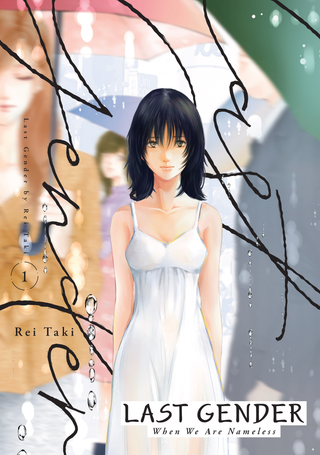
In the vast landscape of contemporary manga, few works manage to peel back the layers of human identity with as much grace, honesty, and raw vulnerability as "Last Gender" (full title: *Last Gender: Nanimono demo nai Watashi-tachi*). Written and illustrated by the talented Rei Taki, this series stands as a beacon of representation, offering a profound look into the lives of those who exist outside the traditional binary and societal norms. As an otaku who has spent decades analyzing the evolution of the medium, I find *Last Gender* to be a masterclass in the Seinen demographic, pushing the boundaries of how we discuss gender and sexuality in graphic fiction.
The Setting: A Sanctuary Called "BAR BARBIE"
The narrative of *Last Gender* is anchored in a very specific, atmospheric location: BAR BARBIE. This isn't just a place to grab a drink; it is a sanctuary, a "safe space" in the truest sense of the word. Located in a quiet corner of the city, the bar serves as a crossroads for individuals of all walks of life—transgender men and women, non-binary individuals, pansexuals, and those who are still navigating the murky waters of their own identity.
The story follows an episodic structure, often centering on the patrons who walk through the doors of BAR BARBIE. Each chapter introduces us to a new soul seeking understanding, acceptance, or simply a moment of peace. Presiding over this haven is the enigmatic and compassionate staff, who act as both observers and catalysts for the characters' personal growth.
Plot and Demography: A Mature Perspective
Classified as a Seinen manga, *Last Gender* is aimed at an adult male audience, but its appeal is universal. The Seinen tag is crucial here because it allows Rei Taki to approach sensitive subjects with a level of maturity and complexity that might be restricted in Shonen or Shojo magazines. There is no sugar-coating; the manga tackles the harsh realities of discrimination, the internal agony of body dysphoria, and the social friction that arises when one’s internal truth clashes with external expectations.
The plot doesn't rely on high-stakes action or supernatural gimmicks. Instead, the "action" is internal. It’s found in the quiet realization of a trans man finding the courage to speak his truth, or a non-binary individual navigating the complexities of a romantic relationship. The narrative tension is built through dialogue and the subtle, expressive art style that captures the fleeting emotions of its cast.
Core Themes: Beyond the Binary
The central theme of *Last Gender* is, unsurprisingly, Identity. However, it goes deeper than just "who am I?" It asks, "Who am I when the world isn't looking?" and "How do I define myself when the existing vocabulary feels insufficient?"
1. The Fluidity of Gender and Sexuality: The manga brilliantly illustrates that gender is not a destination but a journey. It explores the spectrum of the LGBTQ+ experience, showing that there is no "right" way to be queer.
2. The Weight of Labels: While labels can provide a sense of belonging, *Last Gender* also examines how they can become cages. The characters often struggle with the pressure to "perform" their gender in a way that satisfies others.
3. Human Connection and Community: At its heart, this is a story about the importance of finding one's "tribe." BAR BARBIE represents the necessity of community for marginalized individuals—a place where they don't have to explain themselves because their existence is already understood.
4. Self-Acceptance vs. Societal Validation: A recurring conflict in the series is the battle between wanting to be accepted by society (family, coworkers, partners) and the necessity of accepting oneself first.
Why You Should Read It
For any reader looking for a manga that offers more than just entertainment, *Last Gender* is essential reading. It is an educational tool, a mirror for those who feel unseen, and a window for those who wish to understand the diverse tapestry of human experience. Rei Taki’s artwork is clean yet evocative, focusing heavily on character expressions to convey the weight of the stories being told.
In conclusion, *Last Gender* is a poignant, sophisticated, and deeply moving Seinen drama. It challenges the reader to look past the "last gender"—the final label—and see the human being underneath. It is a testament to the power of manga as a medium for social commentary and empathetic storytelling. Whether you identify with the characters or are simply a fan of high-quality slice-of-life drama, this is a series that will stay with you long after you’ve closed the volume.
📖 Leer online en Donmanga:
➡️ Last Gender – Leer Manga