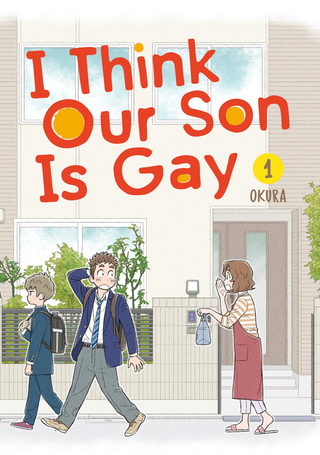
In the vast landscape of modern manga, few titles manage to balance humor, social commentary, and profound emotional resonance as gracefully as "I Think Our Son is Gay" (*Uchi no Musuko wa Tabun Gay*). Created by the talented mangaka Okura, this series has captured the hearts of readers worldwide, offering a refreshing and deeply empathetic look at the domestic life of a family navigating the complexities of identity and unconditional love.
The Premise: A Mother’s Silent Support
The story centers on the Aoyama family, specifically through the eyes of the matriarch, Tomoko. Tomoko is a dedicated, observant, and incredibly kind mother who begins to notice that her eldest son, Hiroki, is likely gay. Hiroki, a high school student, is currently in the midst of discovering his own identity. While he tries his absolute best to keep his orientation a secret—fearing judgment or perhaps just not being ready to voice it—he is, quite frankly, terrible at hiding it.
Whether it’s a slip of the tongue during dinner, his intense blushing when a handsome actor appears on TV, or his clumsy attempts to redirect conversations about "cute girls," Hiroki’s "secret" is transparent to his mother. However, instead of forcing a confrontation or demanding a "coming out" moment, Tomoko chooses a path of quiet, steadfast support. She watches over him with a gentle smile, creating a safe harbor where he can eventually be himself whenever he feels ready.
Demographic and Narrative Style
While many might mistake its soft art style and domestic setting for a Shojo or Josei title, *I Think Our Son is Gay* is technically classified as Seinen. It was serialized in Square Enix’s *Gangan Pixiv*, a platform known for hosting titles that appeal to a broad, mature audience.
The Seinen classification is fitting because, despite its comedic "slips," the manga handles its subject matter with a level of maturity and nuance that transcends simple tropes. It isn't just a story for teenagers; it is a story for parents, educators, and anyone interested in the dynamics of modern family life. The pacing is episodic and "slice-of-life," focusing on the small, everyday moments that build the foundation of a home.
Core Themes: Acceptance and the "Closet"
The most prominent theme of the manga is unconditional maternal love. Tomoko represents an ideal of parenting: she doesn't need her son to be "normal" by societal standards; she only needs him to be happy. Her internal monologues are filled with warmth, often reflecting on how she can make the world a slightly kinder place for him.
Another critical theme is the nuance of the "closet." The manga brilliantly portrays the anxiety of a young person who isn't quite ready to step into the spotlight of their own truth. Hiroki’s struggles are relatable—the fear of being "found out" vs. the desire to share one's passions.
Furthermore, the series touches upon traditional masculinity through the character of the father, Akiyoshi. While not a villain, Akiyoshi often makes offhand, heteronormative comments that highlight the generational gap and the casual pressures LGBTQ+ youth face within their own homes. This contrast adds a layer of realistic tension, making Tomoko’s role as a "buffer" even more vital.
Why You Should Read It
*I Think Our Son is Gay* is a masterclass in "show, don't tell" storytelling. Okura’s art is clean and expressive, perfectly capturing the subtle shifts in Hiroki’s facial expressions and the tender gaze of a mother who knows her child better than he realizes.
For readers looking for a manga that provides "healing" (*iyashikei*) while tackling significant social issues, this is a must-read. It avoids the heavy melodrama often found in "coming out" stories, opting instead for a narrative that celebrates the beauty of a family that—despite the secrets—is held together by a profound, unspoken understanding. It is a poignant reminder that sometimes, the greatest act of love is simply being there, waiting with open arms.
📖 Leer online en Donmanga:
➡️ I Think Our Son is Gay – Leer Manga