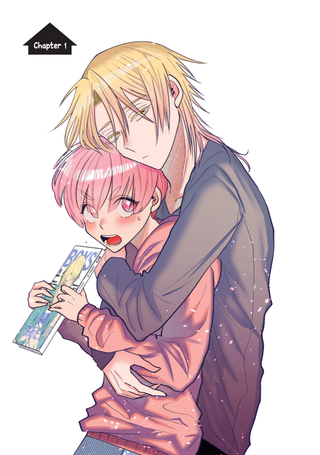
As an erudite observer of the medium, I have seen the "stepsister" trope evolve through various iterations, from the dramatic to the absurd. However, "From Superfan to Stepsister" (originally titled *Oshi ga Imouto ni Natta* in Japan) takes a fascinating contemporary spin on this classic setup by weaving in the modern phenomenon of "Oshi" culture. Written and illustrated by the talented Mikami Kan, this series explores the thin, often blurry line between idolization and domestic reality.
The Premise: When Your Goddess Moves In
The story follows Haru, a high school student whose life revolves around one thing: his "Oshi" (his favorite idol/bias). Haru is a dedicated superfan of Yuki, the center of a rising idol group. He spends his meager earnings on merchandise, attends every handshake event, and treats her as a literal goddess who provides him with the "light" to survive his mundane daily life. For Haru, Yuki is an untouchable, ethereal being who exists only on stage and on screen.
His world is turned upside down when his father announces he is remarrying. While Haru is initially supportive of his father’s happiness, he is paralyzed with shock when he meets his new stepmother and her daughter. Standing in his living room, without the glittery costumes or the stage lights, is Yuki herself. The girl he has worshipped from afar is now officially his younger sister.
Demographic and Genre
"From Superfan to Stepsister" is classified as a Shonen manga, serialized in Kadokawa's *Monthly Shonen Ace*. While it carries the hallmarks of a romantic comedy (Rom-Com) and a Slice of Life series, it leans heavily into the psychological and social nuances of fan culture. Unlike many "step-sibling" stories that immediately dive into fanservice, this series focuses more on the comedic friction and the internal crisis of a fan who has lost the "sacred distance" between himself and his idol.
Themes: The Reality Behind the "Oshi"
The manga delves into several compelling themes that resonate with modern audiences:
1. The "Gap Moe" and Humanization: One of the central themes is the deconstruction of the idol image. Haru discovers that the "perfect" Yuki he saw on stage is a human being with flaws, a messy morning face, and a personality that doesn't always match her public persona. The story explores the "gap" between the product (the idol) and the person (the sister).
2. The Ethics of Fandom: Haru faces a constant moral dilemma. As a fan, he wants to support her, but as a brother, he must protect her privacy. The manga poignantly asks: *Can you truly love the person if you only ever loved the image?*
3. Family Dynamics vs. Parasocial Relationships: The narrative contrasts the artificial "bond" of a fan-idol relationship with the genuine, often difficult bond of a new family. Haru must navigate his transition from a consumer of her content to a member of her support system.
Why You Should Read It
For fans of series like *Oshi no Ko* (though much lighter in tone) or *My Stepmom's Daughter Is My Ex*, this manga offers a unique perspective. It captures the frantic energy of otaku culture while maintaining a heartwarming core. The art style is clean and expressive, perfectly capturing Yuki’s transition from a sparkling idol to a relatable teenage girl.
In conclusion, "From Superfan to Stepsister" is more than just a trope-heavy comedy. It is a sharp, often hilarious commentary on how we perceive our idols and the unexpected ways life can force us to grow up. Whether you are a hardcore idol fan or just a lover of well-executed romantic comedies, this series provides a fresh look at what happens when your wildest dream becomes your daily reality—and the challenges that come with it. It’s a must-read for anyone interested in the intersection of modern celebrity culture and traditional family storytelling.
📖 Leer online en Donmanga:
➡️ From Superfan to Stepsister – Leer Manga