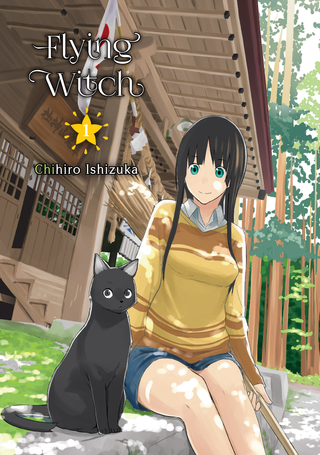
In the vast landscape of contemporary manga, few titles manage to capture the essence of "Iyashikei" (healing) as perfectly as Flying Witch, written and illustrated by Chihiro Ishizuka. Serialized in Kodansha's *Bessatsu Shōnen Magazine* since 2012, this series offers a refreshing departure from the high-octane battles typically associated with the Shonen demographic. Instead, it invites readers into a world where magic is as natural as the changing of the seasons and as quiet as a rural afternoon.
The Premise: A Journey to the North
The story follows Makoto Kowata, a polite, slightly airheaded, and incredibly charming 15-year-old witch. Following a long-standing tradition in the witchcraft community, young witches must leave home at the age of 15 to become independent and hone their craft. Accompanied by her black cat familiar, Chito, Makoto moves from the bustling urban environment of Yokohama to the lush, rural landscapes of Hirosaki, Aomori Prefecture.
Upon her arrival, she moves in with her second cousins, the Kuramoto family. The household consists of Kei, a level-headed boy of Makoto’s age, and his younger sister Chinatsu, a curious and energetic girl who is quickly captivated by Makoto’s magical nature. The narrative doesn't focus on world-ending threats or complex magical duels; rather, it chronicles Makoto’s daily life as she integrates into the countryside, attends high school, and learns to find her place in the world as a witch.
The Magic of the Mundane
What sets *Flying Witch* apart is its approach to the supernatural. In this world, magic is subtle and deeply intertwined with nature. Makoto isn't casting explosive spells; she is more likely to be found harvesting mandrakes (which scream terrifyingly when pulled from the earth), brewing simple potions, or learning how to fly her broom without looking suspicious to the neighbors.
The series introduces a variety of supernatural entities, such as the Harbinger of Spring, the Veil of Night, and various spirits that inhabit the Aomori landscape. These beings are treated with a sense of wonder but also a matter-of-fact acceptance. The magic serves to enhance the beauty of the mundane world rather than overshadow it. Whether it’s a visit from Makoto’s eccentric, world-traveling older sister Akane or a quiet afternoon picking wild herbs, every chapter feels like a deep, relaxing breath.
Demographics and Artistic Style
While officially classified as Shonen, *Flying Witch* shares many sensibilities with *Seinen* slice-of-life titles. It avoids the "fan service" or aggressive tropes often found in Shonen, opting instead for a universal appeal that resonates with readers of all ages and genders.
Ishizuka’s art style is a cornerstone of the manga’s success. The character designs are clean and expressive, but the true star is the background art. The depiction of Hirosaki is breathtakingly detailed, capturing the specific atmosphere of rural Japan—from the cherry blossoms of Hirosaki Park to the snowy winters and the verdant summer fields. This realism grounds the magical elements, making the fantastical feel entirely possible.
Core Themes
1. The Beauty of Slow Living: At its heart, *Flying Witch* is a celebration of "slow life." It encourages readers to appreciate the small details: the taste of a home-cooked meal, the sound of the wind, and the importance of community.
2. Tradition vs. Modernity: Makoto represents an ancient tradition trying to find its place in a modern world. The juxtaposition of her witch training with her everyday school life creates a gentle, humorous friction.
3. Discovery and Curiosity: Through the eyes of Chinatsu, the reader experiences the wonder of magic. The manga emphasizes that the world is full of mysteries if one only knows where to look.
4. Family and Belonging: The bond between Makoto and the Kuramoto family is heartwarming. It explores how "family" can be built through shared experiences and mutual respect.
Conclusion
*Flying Witch* is a masterpiece of the slice-of-life genre. It is a "low-fantasy" series that prioritizes atmosphere and character growth over plot-driven drama. For anyone looking to escape the stress of daily life, Makoto’s journey in Aomori provides the perfect sanctuary. It is a testament to the idea that magic isn't just about spells and incantations—it's about the way we choose to see the world around us. If you seek a manga that feels like a warm cup of tea on a rainy afternoon, *Flying Witch* is an essential addition to your collection.
📖 Leer online en Donmanga:
➡️ Flying Witch – Leer Manga