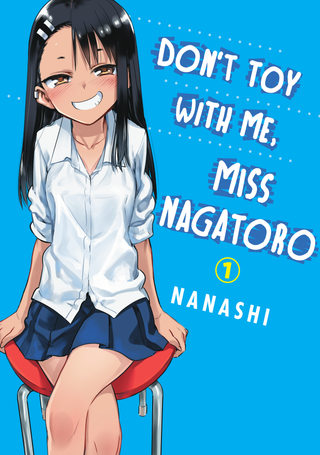
In the vast landscape of modern romantic comedies, few titles have sparked as much conversation, controversy, and eventual adoration as "Don't Toy With Me, Miss Nagatoro" (*Ijiranaide, Nagatoro-san*). Written and illustrated by the artist Nanashi (also known as 774), this series has evolved from a provocative webcomic into a cornerstone of the Shonen rom-com genre. For any seasoned otaku, understanding the nuance behind Nagatoro’s teasing is essential to appreciating one of the most significant character-growth arcs in recent manga history.
The Premise: A Fateful Encounter in the Library
The story centers on Naoto Hachiouji, an introverted, socially anxious second-year high school student referred to almost exclusively as "Senpai." Naoto is a dedicated member of the Art Club who prefers the company of his sketches over the chaotic social hierarchy of high school. His quiet life is turned upside down when he encounters Hayase Nagatoro, a high-energy, athletic first-year girl, in the school library.
After discovering Senpai’s self-published manga, Nagatoro begins to relentlessly tease him about his hobbies, his personality, and his awkward demeanor. While the initial chapters present a dynamic that borders on bullying, the narrative quickly shifts. It becomes clear that Nagatoro’s "torture" is a clumsy, hyper-aggressive form of flirting designed to provoke a reaction from the boy she finds inexplicably fascinating.
Demographic and Genre Positioning
While many Western readers might mistake the series for a Seinen title due to its occasionally edgy humor and psychological playfulness, "Don't Toy With Me, Miss Nagatoro" is firmly categorized as a Shonen manga. Serialized in Kodansha’s *Magazine Pocket*, it targets a young male audience but has garnered a massive crossover following.
The series masterfully blends the "Slice of Life" genre with "Romantic Comedy," utilizing a "Power Gap" dynamic where the female lead holds the social upper hand. However, as the story progresses, it subverts these tropes by showing that Nagatoro is often just as flustered and vulnerable as Senpai, especially when he shows flashes of backbone or genuine affection.
Core Themes: Growth, Vulnerability, and the "Shell"
The brilliance of Nanashi’s writing lies in the thematic depth hidden beneath the slapstick comedy and "smug" facial expressions.
1. Breaking the Shell: The central theme is the necessity of discomfort for personal growth. Senpai is content living in a bubble of isolation. Nagatoro acts as the catalyst that forces him out of his comfort zone. Through her teasing, she pushes him to stand up for himself, speak his mind, and eventually pursue his artistic and romantic goals with newfound confidence.
2. The Mask of Teasing: The manga explores the difficulty of expressing genuine feelings. Nagatoro uses her "mean girl" persona as a defensive mechanism. By teasing Senpai, she maintains control of the situation, fearing that if she were to be sincere, she would lose her advantage. The slow peeling back of this mask is what provides the series its emotional weight.
3. Mutual Improvement: Unlike many rom-coms where the protagonist remains static, *Nagatoro-san* showcases a symbiotic relationship. While Nagatoro helps Senpai become more assertive, Senpai provides Nagatoro with a safe space where she doesn't have to maintain her "cool girl" image.
The Supporting Cast and Narrative Evolution
The world of *Nagatoro-san* is fleshed out by a memorable supporting cast, including Nagatoro’s friends—Gamo-chan, Yoshi, and Sakura. Initially appearing as antagonists who join in on the teasing, they eventually transition into "wingmen" who orchestrate situations to bring the two leads closer. The introduction of the Art Club President provides a recurring foil to Nagatoro, introducing themes of artistic passion and healthy rivalry.
As the manga progresses, the "teasing" becomes less about making Senpai cry and more about shared adventures—summer festivals, zoo trips, and intense judo competitions. The stakes evolve from "will Senpai survive the day?" to "will these two finally bridge the gap between them?"
Conclusion for the SEO-Savvy Reader
For fans of *Kaguya-sama: Love is War* or *Teasing Master Takagi-san*, "Don't Toy With Me, Miss Nagatoro" offers a more high-octane, emotionally raw alternative. It is a masterclass in character development that proves first impressions can be deceiving. Beneath the surface-level "sadodere" antics lies a heartwarming story about two outsiders finding their place in the world through each other. Whether you are here for the iconic memes or the genuine romantic tension, this Shonen gem is a mandatory read for any self
📖 Leer online en Donmanga:
➡️ Don't Toy With Me, Miss Nagatoro – Leer Manga