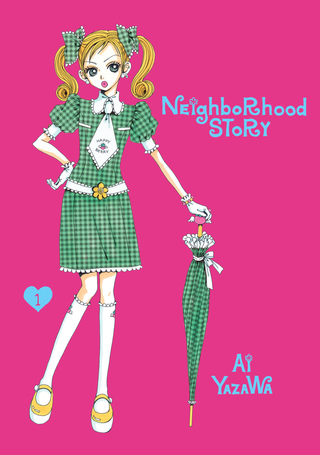
Before the world fell in love with the gritty realism of *NANA* or the high-fashion drama of *Paradise Kiss*, the legendary mangaka Ai Yazawa graced the pages of *Ribon* magazine with a vibrant, stylish, and emotionally resonant masterpiece: Gokinjo Monogatari, known to international fans as Neighborhood Story.
As an expert in the medium, I can tell you that *Neighborhood Story* is more than just a romantic comedy; it is a seminal work that defined the aesthetic of the mid-90s Shojo demographic. Serialized between 1995 and 1997, it serves as a spiritual and literal predecessor to Yazawa’s later works, sharing the same universe and a deep obsession with the intersection of art and identity.
The Plot: Dreams, Denim, and the Boy Next Door
The story centers on Mikako Koda, a high-spirited, fiercely ambitious first-year student at the Yazawa School of the Arts. Mikako is a girl with a plan: she wants to become a world-famous fashion designer and establish her own brand, "Happy Berry." Her life is a whirlwind of sewing machines, fabric scraps, and the colorful chaos of art school.
Living in the apartment right next to hers is Tsutomu Yamaguchi, her childhood best friend. They have grown up side-by-side, sharing a balcony and a deep, unspoken bond. However, as they enter their mid-teens, the comfortable "neighborhood" dynamic begins to shift. Tsutomu undergoes a sudden growth spurt and begins to bear an uncanny resemblance to Ken Nakagawa, the lead singer of a popular band. Suddenly, the boy Mikako took for granted is the object of every girl's affection, sparking a complex internal conflict within her.
The narrative follows Mikako, Tsutomu, and their eclectic group of friends—including the "Body-con" queen Mariko, the cool and collected Yusuke, and the whimsical P-chan—as they form a creative collective called Akindo. Together, they navigate the hurdles of organizing flea markets to sell their handmade creations, all while dealing with the messy, beautiful, and often painful realities of growing up.
Demographic and Genre
*Neighborhood Story* is a quintessential Shojo manga. It was written for a young female audience, focusing heavily on interpersonal relationships, emotional introspection, and the romantic tension between the leads. However, because it is an Ai Yazawa work, it transcends the typical "high school romance" tropes. It leans heavily into the Slice of Life and Drama genres, with a significant emphasis on the Coming-of-Age (Bildungsroman) journey of its protagonist.
Key Themes: The Yazawa Philosophy
1. The Pursuit of Individualism and Ambition:
Unlike many Shojo heroines of the era whose primary goal was finding a boyfriend, Mikako’s primary drive is her career. *Neighborhood Story* explores the sacrifices required to follow a dream. It asks: Can you maintain your individuality while being in a relationship? Mikako’s struggle to balance her love for Tsutomu with her need to be a successful, independent artist is the heart of the manga.
2. Fashion as Self-Expression:
For Yazawa, clothes are never just clothes. The manga is a visual feast of 90s "Ura-Harajuku" style, Vivienne Westwood influences, and DIY punk aesthetics. Fashion is used as a tool for character development; Mikako’s changing hair colors and avant-garde outfits reflect her internal state and her desire to stand out in a world that often demands conformity.
3. The Complexity of "First Love":
The manga expertly deconstructs the transition from platonic childhood friendship to romantic love. It captures the fear of losing a "safe" person by changing the nature of the relationship. The "neighborhood" in the title isn't just a physical location; it represents the comfort zone of childhood that the characters must eventually leave behind.
Why It Matters
For any "otaku erudito," *Neighborhood Story* is essential reading because it showcases the evolution of Ai Yazawa’s signature style—the spindly, elegant character designs and the sophisticated panel layouts. It is also a bridge to *Paradise Kiss*, as Mikako’s younger sister, Miwako, becomes a central character in that series.
In conclusion, *Neighborhood Story* is a colorful, energetic, yet deeply poignant exploration of youth. It captures that fleeting moment in life when the world feels both terrifyingly large and full of infinite possibilities. If you appreciate fashion, complex character growth, and a story that treats the ambitions of young women with the seriousness they deserve, this manga is a timeless classic that belongs on your shelf.
📖 Leer online en Donmanga:
➡️ Neighborhood Story – Leer Manga