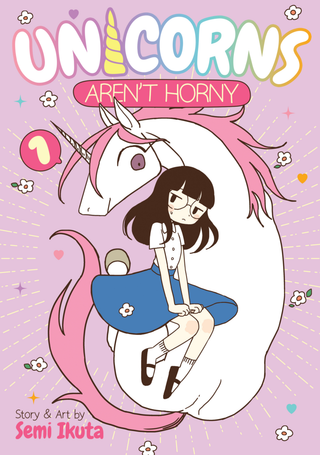
As an erudite otaku and manga analyst, it is a pleasure to delve into the subversion of mythological tropes found in modern Josei works. Today, we look at a title that sounds provocative but is, in reality, a charmingly subversive comedy: "Unicorns Aren't Horny" (originally titled *Unicorn wa Otomechikku ni Aishitai*), written and illustrated by the talented Utako Yukihiro, known for her exquisite art in *Makai Ouji: Devils and Realist*.
The Premise: A Mythological Subversion
The legend of the unicorn is one of the oldest in human folklore: a majestic, one-horned beast that can only be tamed by the touch of a "pure maiden." In most media, this "purity" is equated with virginity, often leading to stories with a heavy-handed or even suggestive undertone. However, Utako Yukihiro takes this ancient trope and flips it on its head with a comedic, modern twist.
The story follows Uni, a literal unicorn from the celestial realm who descends to the human world. In his true form, he is the classic mythical beast, but to navigate human society, he takes the form of a breathtakingly handsome young man—a "bishonen" of the highest caliber. His mission? To find a "pure maiden" whose presence is necessary for his survival and well-being.
He eventually encounters Ema, a modern woman who, on paper, fits the "virgin" requirement. However, the conflict—and the comedy—arises from the mismatch between Uni’s expectations and Ema’s reality. Despite the title’s cheeky play on words, Uni is not "horny" in the traditional sense; in fact, he is an extreme "otome" (maidenly) romantic. He is obsessed with the idealized, sparkling, and chaste romance found in shoujo manga, while Ema is a pragmatic, somewhat cynical woman of the 21st century.
Demographics and Artistic Style
Demographic: Josei
While the title might attract a Shonen or Seinen audience looking for fanservice, *Unicorns Aren't Horny* is firmly rooted in the Josei demographic. It was serialized in *Monthly Comic Zero-Sum*, a magazine famous for catering to adult women who enjoy high-quality art, supernatural elements, and a self-aware approach to romance.
The Josei influence is evident in how the manga treats its characters. It moves away from the "damsel in distress" tropes of younger Shoujo and instead focuses on the humorous, often awkward friction between a woman’s daily life and the intrusive, sparkling absurdity of a magical creature who wants her life to be a fairy tale.
Art Style:
Utako Yukihiro’s art is a major selling point. Her character designs are sharp, elegant, and highly detailed. Uni’s human form is drawn with the delicate beauty typical of high-end Josei, making the contrast between his "god-like" appearance and his goofy, romance-obsessed personality even more hilarious.
Main Themes
1. The Deconstruction of "Purity"
The manga explores what it actually means to be "pure." While the myth focuses on physical virginity, the story suggests that Uni’s version of purity is an impossible standard derived from fiction. The "purity" Uni seeks is a state of constant romantic innocence, which clashes with the complexities of adult life.
2. Fantasy vs. Reality
A recurring theme is the collision of the magical world with the mundane. Uni wants to create "sparkling moments"—the kind where rose petals appear out of nowhere—but Ema is usually too busy or too tired to participate in his fantasies. This creates a brilliant meta-commentary on the romance genre itself.
3. Subverting the "Bishonen" Trope
In many series, a handsome supernatural man arriving in a woman’s life is a source of drama or intense steaminess. Here, Uni is more of a high-maintenance "pet" or a confused younger brother figure who needs to be taught how
📖 Leer online en Donmanga:
➡️ Unicorns Aren't Horny – Leer Manga