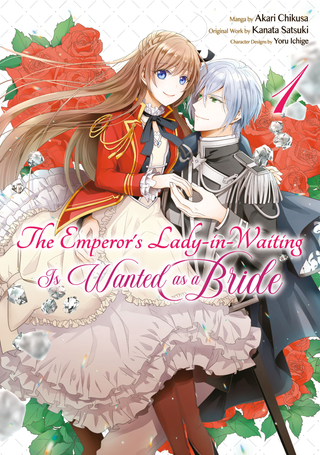
Greetings, fellow connoisseurs of the medium. As an observer of the ever-evolving landscape of Japanese sequential art, it is a pleasure to dissect a title that gracefully navigates the intersection of courtly intrigue and slow-burn romance. Today, we delve into the intricacies of "The Emperor’s Lady-in-Waiting Is Wanted as a Bride" (known in Japan as *Koutei no Jijo ga Kon'yakusha toshite Shimei saremashita*), a series that subverts the typical "Cinderella" tropes with a refreshing focus on competence and agency.
Demographics and Context
First, let us establish the framework. This series is firmly rooted in the Josei demographic, though it shares many stylistic elements with high-fantasy Shojo. Originally born as a light novel series by Hiro Inukai and later adapted into manga form with elegant illustrations by Masami Inuzuka, it targets an audience that appreciates a more mature, nuanced take on romantic entanglements. Unlike Shonen-centric power fantasies, the "power" here is found in social navigation, etiquette, and the quiet strength of a woman who simply wants to do her job well.
The Plot: A Reluctant Ascent
The story centers on Liana, a lady-in-waiting who has spent years perfecting the art of being invisible. In the cutthroat environment of the imperial palace, Liana’s greatest ambition is not to wear a crown, but to retire quietly to her family’s modest territory. She is the epitome of the "competent professional"—efficient, observant, and intentionally unremarkable. She has spent her career serving the imperial family, specifically the Emperor’s younger brother, with such seamless grace that she has become an indispensable, albeit overlooked, fixture of the court.
However, her plans for a peaceful retirement are shattered by a sudden, earth-shaking decree. Emperor Greis, a man known for his cold demeanor and absolute lack of interest in the various noblewomen vying for his hand, makes a public declaration: he has chosen his future bride. To the shock of the entire nobility—and to Liana’s absolute horror—he names her, a mere lady-in-waiting, as his fiancée.
The narrative follows Liana as she is thrust from the shadows of the servant quarters into the blinding spotlight of the throne. Why did the Emperor choose her? Is it a political gambit, a shield against other suitors, or is there a deeper, more personal history that Liana has forgotten or suppressed? As she navigates her new role, she must contend with jealous socialites, political conspiracies, and the enigmatic intentions of a sovereign who seems to see through her "plain" facade.
Core Themes and Analysis
1. The Subversion of the "Plain Girl" Trope:
While many stories use the "plain girl" trope as a way to make the protagonist a blank slate for the reader, this manga treats Liana’s "plainness" as a deliberate choice. Her lack of flashiness is a survival tactic and a mark of her professionalism. The story explores the theme of true value versus perceived status, highlighting that the most capable person in the room is often the one standing quietly in the corner.
2. Autonomy vs. Duty:
A central conflict is Liana’s desire for a simple life versus the heavy mantle of imperial duty. She does not view the Emperor’s proposal as a "dream come true," but rather as a complication to her life goals. This creates a fascinating dynamic where the romance is built on a foundation of negotiation and mutual respect rather than instant, fairy-tale infatuation.
3. Political Intrigue and Social Chess:
The manga excels in its depiction of palace life. It isn't just about tea parties; it’s about the weight of every word spoken in the hallway. Liana’s background as a lady-in-waiting gives her a unique "spy’s eye view" of the court, which she must now use to protect herself and the Emperor from those who see her elevation as an insult to the hierarchy.
Why You Should Read It
For the erudite otaku, *The Emperor’s Lady-in-Waiting Is Wanted as a Bride* offers a sophisticated blend of fantasy-romance and psychological drama. The art style is refined, capturing the opulence of the setting while maintaining expressive character work that conveys the unspoken tension between Liana and Greis. If you enjoy stories where the protagonist wins through wit and emotional intelligence rather than magic or combat, this is a quintessential addition to your reading list. It is a testament to the idea that sometimes, the most extraordinary person in the empire is the one who was there, unnoticed, all along.
📖 Leer online en Donmanga:
➡️ The Emperor's Lady-in-Waiting Is Wanted as a Bride – Leer Manga