A Masterpiece Reimagined: A Deep Dive into the ‘Les Misérables’ Manga Adaptation
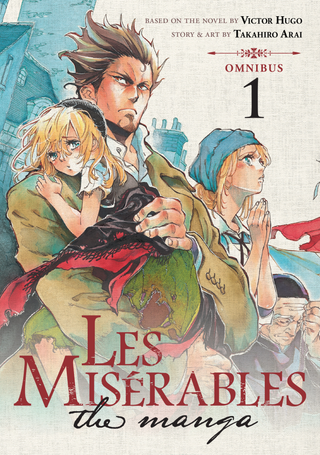
When we think of "classics," our minds often drift to dusty library shelves and 19th-century prose. However, for the modern otaku, the bridge between timeless literature and visual storytelling has never been sturdier. One of the most breathtaking examples of this synthesis is the manga adaptation of Victor Hugo’s magnum opus, *Les Misérables*, illustrated with haunting precision by Takahiro Arai. Originally serialized in *Monthly Shonen Sunday* (Gessan), this adaptation proves that the struggle for redemption and the fire of revolution are themes that transcend both time and medium.
The Plot: A Journey from Darkness to Light
The story follows the odyssey of Jean Valjean, a man whose life is shattered by a singular, desperate act: stealing a loaf of bread to feed his sister’s starving child. This minor crime results in a staggering nineteen years of hard labor. When Valjean is finally released on parole, he is a man hollowed out by hatred and the branding of "convict 24601."
The narrative takes its first pivotal turn when Valjean encounters Bishop Myriel. In an act of divine-like grace, the Bishop covers for Valjean after he attempts to steal silver from the church, telling the police the items were a gift. This moment of unmerited mercy sparks a spiritual metamorphosis. Valjean breaks his parole, assumes a new identity as Monsieur Madeleine, and rises to become a wealthy factory owner and mayor.
However, the shadows of his past are personified in Inspector Javert, a man of unyielding, robotic devotion to the letter of the law. Javert’s pursuit of Valjean spans decades, creating a high-stakes game of cat-and-mouse set against the backdrop of a fracturing France. Along the way, the story weaves in the tragic fate of Fantine, a fallen woman whose daughter, Cosette, becomes Valjean’s surrogate child and his ultimate reason for living. As the narrative marches toward the student-led June Rebellion of 1832, the personal struggles of the characters collide with the collective cry of a nation yearning for liberty.
Demographics and Artistic Direction
While *Les Misérables* is technically classified as Shonen due to its serialization in *Monthly Shonen Sunday*, it carries the emotional weight and complexity often associated with Seinen or "Mature Shonen." It appeals to a broad demographic because it balances the high-octane tension of a chase thriller with the philosophical depth of a historical drama.
Takahiro Arai’s art style is a revelation. He eschews the overly stylized tropes of modern moe-culture in favor of a gritty, expressive realism. The character designs are deeply evocative; you can see the decades of toil in the lines of Valjean’s face and the cold, unwavering "justice" in Javert’s eyes. The depiction of 19th-century Paris—from the opulent ballrooms to the filth-ridden sewers—is rendered with meticulous historical detail, making the setting a character in its own right.
Core Themes: Law, Mercy, and the Human Spirit
The manga masterfully explores the dichotomy between Legal Justice and Moral Justice. Javert represents a world where the law is absolute and people cannot change. Valjean represents the revolutionary idea of Redemption—that a man can be reborn through kindness.
Another central theme is Social Inequality. The manga does not shy away from the "miserable" conditions of the poor. It highlights how poverty traps individuals like Fantine in a cycle of exploitation, forcing the reader to question whether the "criminals" are the ones breaking the law or the society that gives them no other choice. Finally, the theme of Sacrifice permeates the later chapters, as the young revolutionaries of the Friends of the ABC prepare to give their lives for a future they will never see.
Why You Should Read It
For fans of historical epics like *Vinland Saga* or *Emma*, this adaptation of *Les Misérables* is essential reading. It manages to condense Hugo’s massive tome into a digestible, visually stunning format without losing the soul of the original work. It is a poignant reminder that no matter how deep the darkness of the "night" of injustice, the "day" of human dignity will eventually dawn. Whether you are a student of literature or a hardcore manga enthusiast, this series offers a profound emotional experience that will stay with you long after the final page is turned.
📖 Leer online en Donmanga:
➡️ LES MISÉRABLES – Leer Manga