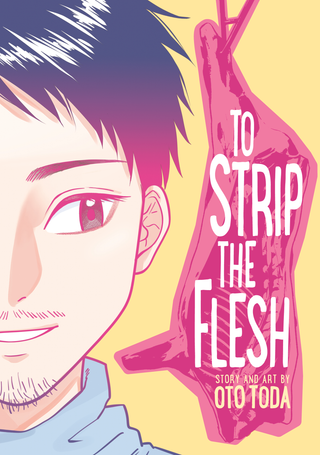
As an expert in the medium, it is rare to encounter a work that balances visceral physical imagery with such delicate psychological nuance. "To Strip the Flesh" (*Niku wo Hagu*), a poignant masterpiece by the mangaka Toda Oto, is one such work. Originally published as a one-shot and later as the titular story of a short story collection, it has garnered international acclaim for its raw, honest portrayal of the transgender experience and the complexities of filial duty.
Demographics and Context
Categorized primarily as Seinen, "To Strip the Flesh" targets an adult audience capable of appreciating its heavy emotional weight and mature themes. While it was serialized digitally via *Shonen Jump+*, its tone, pacing, and subject matter align more closely with the introspective nature of Seinen drama. It avoids the tropes of "tragic" queer narratives, opting instead for a grounded, albeit painful, realism that resonates deeply with readers of all backgrounds.
Plot Overview: The Weight of the Skin
The story follows Chiaki Ogawa, a young man living in a rural mountain town. To the world and his terminally ill father, Chiaki has spent his life performing the role of the "dutiful daughter." However, Chiaki is a trans man who has spent years suffocating under the weight of his father’s expectations and the physical reality of a body that feels like a cage.
Chiaki’s primary outlet is hunting and taxidermy. He is an expert at "stripping the flesh"—the literal act of skinning animals to reveal what lies beneath. This hobby is not a macabre fascination but a profound metaphor for his own existence. While he meticulously removes the hides of deer and boars to preserve their essence, he remains unable to shed the "flesh" that keeps him trapped in a female identity in the eyes of his father.
The tension of the narrative peaks as his father’s cancer progresses. Chiaki is caught in a heartbreaking limbo: he desperately wants to come out and live authentically, but he fears that doing so will destroy the fragile bond he has with his father in his final days. The story explores whether Chiaki can truly be "seen" by the person he loves most before it is too late, or if he is destined to remain a ghost within his own skin.
Major Themes: Identity, Filial Piety, and the Body
The most prominent theme is Gender Identity and Dysphoria. Toda Oto, who is also a trans creator, brings an unparalleled authenticity to Chiaki’s internal monologue. The manga illustrates dysphoria not just as sadness, but as a physical disconnect—a sensation of being "wrapped" in something that doesn't belong to you.
Another central pillar is Filial Piety vs. Self-Actualization. In many traditional cultures, the child is seen as an extension of the parent. Chiaki’s father isn't a villain; he is a man who loves his "daughter" but is blinded by his own grief and expectations. The manga asks a difficult question: How much of ourselves do we owe to those who raised us? Is living a lie an act of kindness, or is it a betrayal of both parties?
Finally, the Metaphor of the Hunt serves as a powerful visual motif. The act of skinning is presented with clinical detail, representing the desire to reach the "core" of a being. It suggests that the exterior—the flesh—is often just a mask, and that true beauty or truth is found only when we are brave enough to strip away the layers society forces upon us.
Why It’s a Must-Read
"To Strip the Flesh" is a masterclass in visual storytelling. Toda Oto’s art is both rugged and ethereal, capturing the harshness of the wilderness and the softness of a quiet, domestic tragedy. It is a brief but monumental read that challenges the reader to consider what they are hiding beneath their own skin. For anyone seeking a manga that transcends entertainment to become a profound meditation on the human condition, this is an essential addition to your library. It is a story about the courage it takes to be seen, and the painful, beautiful process of becoming oneself.
📖 Leer online en Donmanga:
➡️ To Strip the Flesh – Leer Manga