# Rediscovering Lost Bonds: A Deep Dive into "The Girl I Saved on the Train Turned Out to Be My Childhood Friend"
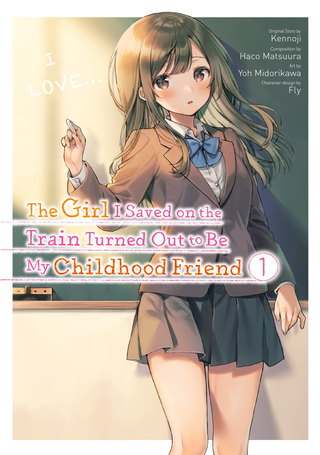
In the vast landscape of modern romantic comedy manga, few tropes are as beloved—or as frequently debated—as the "childhood friend" dynamic. However, every so often, a series comes along that breathes fresh life into this classic setup by blending it with the "knight in shining armor" motif. That series is "The Girl I Saved on the Train Turned Out to Be My Childhood Friend" (known in Japan as *Chikan sareteta S-kyuu Bishoujo wo Tasuketara, Tonari no Seki no Bishoujo datta*). Originally a popular light novel series by Kennoji, its manga adaptation has captured the hearts of readers worldwide with its wholesome "fluff" and nostalgic undertones.
The Plot: A Fateful Encounter on the Commute
The story follows Ryou Takamori, an unassuming high school student who prefers to keep a low profile. Ryou isn't your typical "loser" protagonist; he is simply a grounded, kind-hearted individual who doesn't seek the spotlight. His life takes a dramatic turn during a mundane train ride when he witnesses a girl being harassed by a groper. Without hesitation, Ryou steps in, saves the girl, and ensures the perpetrator is caught.
The girl in question is Hina Fushimi, an "S-class beauty" who is the idol of their school. She is elegant, popular, and seemingly out of Ryou’s league. However, the shock of the rescue leads to a startling revelation: Hina is actually Ryou’s childhood best friend. The two were inseparable years ago until life, distance, and the awkwardness of puberty drove them apart.
What follows is not a high-stakes drama, but a tender, slow-burn exploration of two people rediscovering who they are to one another. As Hina begins to aggressively (and adorably) close the distance between them, Ryou must navigate his own insecurities and the social pressures of being associated with the school’s most popular girl.
Demographics and Genre: The Shonen Rom-Com
Categorized primarily as a Shonen manga, the series is serialized in magazines targeting teenage boys and young men. However, its appeal is much broader. While it utilizes common Shonen tropes—such as the "unreachable" female lead and the self-deprecating protagonist—it leans heavily into the Slice of Life and Romance genres.
Unlike "harem" manga that focus on multiple love interests, this series is a dedicated "pure love" story. It focuses almost exclusively on the evolving chemistry between Ryou and Hina. For fans of the "Seinen" demographic who enjoy more mature, grounded character studies, there is still much to love here, as the emotional intelligence of the characters often surpasses standard high school tropes.
Core Themes: Beyond the "S-Class" Label
1. The Weight of Expectations vs. Reality:
A recurring theme is the contrast between Hina’s public persona and her true self. To the school, she is a perfect, untouchable goddess. To Ryou, she is still the energetic, slightly clumsy girl he used to play with. The manga explores how exhausting it can be to maintain a "perfect" image and the relief found in someone who knows your true history.
2. Reconnecting with the Past:
The story poignantly addresses how childhood friendships often fade not because of a fight, but because of silence. Ryou and Hina’s journey is about "re-learning" each other. They have to reconcile their childhood memories with the young adults they have become.
3. Courage and Self-Worth:
Ryou’s character arc is centered on self-worth. He initially believes that someone as "ordinary" as him shouldn't be standing next to Hina. The narrative gently pushes back against this, suggesting that true value lies in one's actions and kindness rather than social status or looks.
Why You Should Read It
If you are looking for a "healing" manga (iyashikei) that avoids unnecessary love triangles or frustrating misunderstandings, this is a top-tier choice. The art style is clean and expressive, perfectly capturing Hina’s transition from a stoic beauty to a blushing mess whenever Ryou shows her a bit of genuine affection.
"The Girl I Saved on the Train Turned Out to Be My Childhood Friend" is a masterclass in "Reiwa-era" romance—where characters are more honest about their feelings and the progression feels earned and heartwarming. It’s a nostalgic trip back to the days of childhood promises, wrapped in a modern, high-school package. For any otaku looking for a sweet, feel-good read, this series is an essential addition to your digital or physical shelf.
📖 Leer online en Donmanga:
➡️ The Girl I Saved on the Train Turned Out to Be My Childhood Friend – Leer Manga