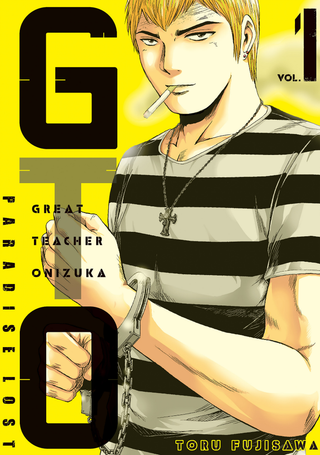
For any seasoned manga enthusiast, the name Eikichi Onizuka carries a weight of legendary proportions. The self-proclaimed "Great Teacher" has returned in GTO: Paradise Lost, the latest high-octane installment in Tohru Fujisawa’s iconic franchise. While the original *GTO* was a cornerstone of the Shonen genre, *Paradise Lost* shifts gears into the Seinen demographic, offering a grittier, more mature, and socially biting commentary on modern Japanese society.
The Premise: A Legend Behind Bars
The story of *GTO: Paradise Lost* begins with a shocking framing device: Eikichi Onizuka is in prison. As he sits in his cell, he recounts the chaotic series of events that led to his incarceration. The narrative takes us back to Kissho Academy, but this isn’t the typical classroom of delinquents we saw in the 90s. Onizuka has been assigned to the newly established Class G, a specialized "Arts and Entertainment" class designed for teenage celebrities.
The students of Class G are not your average rebels; they are idols, actors, models, and influencers. These are young individuals who wield significant social power, earn more money than their teachers, and are constantly under the suffocating lens of the paparazzi and the public eye. In this "Paradise" of fame and fortune, the students have lost their sense of childhood, empathy, and reality—hence the title, *Paradise Lost*.
Plot Dynamics: The Great Teacher vs. The Idol Industry
Onizuka’s mission remains the same: to save his students from the corrupt adults around them and from their own self-destructive tendencies. However, the stakes are significantly higher. In the original series, Onizuka fought bullies and corrupt bureaucrats; in *Paradise Lost*, he goes head-to-head with the predatory entertainment industry, obsessive "wota" fans, and the toxic culture of social media.
The conflict begins immediately as the students of Class G, led by the manipulative and cynical Arisu Shiratori, attempt to "break" Onizuka using their fame and resources. They view teachers as mere servants or obstacles to their careers. Onizuka, true to form, responds with his trademark brand of "educational" insanity—ranging from death-defying stunts to elaborate psychological pranks—to remind these young stars that before they were celebrities, they were human beings.
Demographics and Tone
While the original *GTO* was published in *Weekly Shonen Magazine*, *Paradise Lost* moved to Weekly Young Magazine, officially cementing its status as a Seinen manga. This shift allows Fujisawa to explore much darker and more explicit themes. The humor is raunchier, the violence is more visceral, and the social critiques are far more cynical. It targets an audience that grew up with Onizuka and is now ready to see him tackle the complexities of adult life, exploitation, and the loss of innocence in the digital age.
Key Themes
1. The Deconstruction of Fame: The manga pulls back the curtain on the idol industry, showing the grueling schedules, the lack of privacy, and the way young talents are treated as disposable commodities.
2. Modern Delinquency: Unlike the "Yankii" culture of the 90s, the rebellion in *Paradise Lost* is digital. Character assassination via the internet and the power of "clout" are the new weapons Onizuka must face.
3. Redemption and Authenticity: Onizuka remains the ultimate symbol of authenticity. In a world of filtered photos and scripted personas, his blunt, honest, and often crude nature is the only thing capable of reaching the students' true selves.
4. The Burden of the Past: As a sequel, the manga frequently nods to Onizuka’s history as a legendary biker (from *Shonan Junai Gumi*), showing how his past experiences shaped his unconventional moral compass.
Why You Should Read It
*GTO: Paradise Lost* is a must-read for fans of Tohru Fujisawa’s "Onizuka-verse." It successfully evolves the formula by placing the world’s most unorthodox teacher in a setting where his usual tactics are tested by the complexities of the 21st century. Whether you are here for the over-the-top facial expressions, the high-stakes action, or the surprisingly touching moments of mentorship, *Paradise Lost* proves that Eikichi Onizuka is still the teacher the world needs—even if he ends up in handcuffs because of it.
📖 Leer online en Donmanga:
➡️ GTO – Paradise Lost – Leer Manga