The Haunting Allure of Obsession: A Deep Dive into Junji Ito’s ‘Lovesickness’
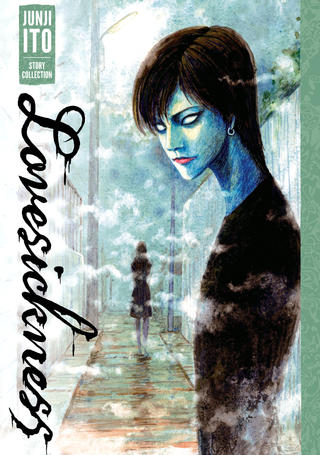
In the pantheon of horror manga, few names command as much reverence as Junji Ito. Known for his ability to transform the mundane into the macabre, Ito’s work often explores the fragility of the human psyche. Among his most celebrated and chilling contributions is the collection titled "Lovesickness: Junji Ito Story Collection" (originally known as *Lovesick Dead* or *Shibito no Koiwazurai*). This volume, particularly its titular novella, stands as a masterclass in psychological dread and the destructive power of obsession.
Demographic and Contextual Background
While many Western fans associate Junji Ito with *Seinen* (young adult men) due to the graphic nature of his work, *Lovesickness* was originally serialized in *Nemuki*, a magazine primarily targeting the Josei demographic (adult women). This context is crucial to understanding the manga’s DNA. It utilizes the tropes of shojo romance—the "mysterious bishounen" (beautiful boy), unrequited longing, and the intensity of adolescent emotions—and subverts them into a nightmare of cosmic proportions. It is a dark reflection of the anxieties surrounding love, social validation, and the weight of our words.
The Plot: The Fog of Nazumi City
The central narrative, "Lovesick Dead," is set in the perpetually fog-shrouded Nazumi City. The town is gripped by a peculiar and ancient urban legend known as "Intersection Fortune-Telling" (*tsujigiri*). In this ritual, a person stands at a crossroads, covers their face, and asks the first stranger who passes by to tell their fortune regarding their love life.
The story follows Ryusuke, a young man who returns to Nazumi City after years away. He is haunted by a childhood secret: years ago, he gave a cruel fortune to a desperate woman at an intersection, an act he believes led to a tragedy. Upon his return, he finds the town in the midst of a terrifying craze. A tall, strikingly beautiful, and pale young man dressed in black—the "Pretty Boy at the Crossroads"—has begun appearing in the fog. Unlike the random strangers of the past, this entity delivers fortunes so bleak and soul-crushing that they drive his petitioners to gruesome acts of suicide and madness.
As Ryusuke’s childhood friend, Midori, becomes entangled in the mystery, Ryusuke must confront his past guilt to stop the "Pretty Boy" before the entire town is consumed by a literal and metaphorical fog of despair.
Themes: The Weight of Words and Mass Hysteria
The brilliance of *Lovesickness* lies in its thematic depth. At its core, the manga explores the lethality of words. In Nazumi City, people are so desperate for external validation that they allow the opinion of a total stranger to dictate their worth. Ito uses this to critique how we surrender our agency to others in the pursuit of romantic "destiny."
Another prominent theme is mass hysteria. As the story progresses, the obsession with the Pretty Boy spreads like a virus. The townspeople lose their individuality, becoming a collective mass of weeping, desperate shadows. This reflects Ito’s recurring fascination with the loss of self and the terrifying nature of "the crowd."
Furthermore, the collection touches upon guilt and redemption. Ryusuke is a classic Ito protagonist—not a traditional hero, but a man burdened by a mistake that has manifested into a supernatural curse. His journey is one of atonement in a world that offers very little mercy.
Artistic Mastery and Additional Tales
Visually, *Lovesickness* features some of Ito’s most iconic imagery. The "Pretty Boy" is designed with a sharp, ethereal beauty that feels inherently "wrong," a perfect example of the uncanny valley. The use of fog allows Ito to play with negative space, making the sudden appearance of a distorted face or a blood-stained intersection all the more jarring.
While "Lovesick Dead" is the centerpiece, the Viz Media collection also includes other notable stories like "The Strange Hikizuri Siblings" and "The Mansion of Phantom Pain." These stories round out the volume by showcasing Ito’s range, from dark comedy and family dysfunction to surreal body horror.
Conclusion
*Lovesickness* is more than just a ghost story; it is a profound exploration of the dark side of devotion. By blending *Josei* sensibilities with cosmic horror, Junji Ito creates a narrative that lingers long after the fog has cleared. For any serious student of manga, this collection is an essential study in how atmosphere, urban legend, and psychological trauma can be woven into a tapestry of absolute terror. If you seek a story that examines why we love, why we hurt, and how a single word can end a life, look no further than the crossroads of Nazumi City.
📖 Leer online en Donmanga:
➡️ Lovesickness – Junji Ito Story Collection – Leer Manga