Sweet Blue Flowers (Aoi Hana): A Masterpiece of Subtle Romance and Identity
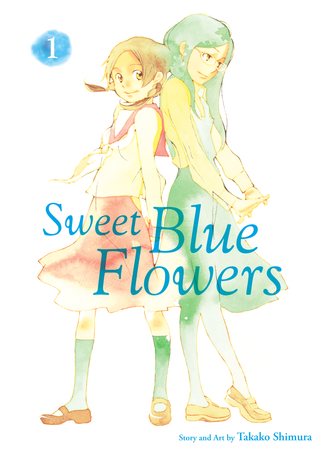
In the vast landscape of manga, few creators possess the delicate touch of Takako Shimura. Known for her ability to navigate the complexities of gender and orientation with profound empathy, Shimura’s *Sweet Blue Flowers* (Japanese title: *Aoi Hana*) stands as a definitive pillar of the *yuri* genre. Far from the hyper-idealized or fetishized tropes often found in romance, this series offers a grounded, poignant, and deeply human exploration of what it means to grow up and fall in love.
The Plot: A Reunion of Hearts
The story begins with a chance encounter at a train station. Fumi Manjome, a tall, soft-spoken, and prone-to-crying young woman, has moved back to her hometown to attend the prestigious Matsuoka Girls' High School. There, she reunites with her childhood best friend, Akira Okudaira, a bright and energetic girl attending the neighboring Fujigaya Girls' Academy. Though ten years have passed since they last saw each other, the bond between them is instantly rekindled.
As they navigate their first year of high school, the narrative centers on Fumi’s internal struggle with her identity. She soon finds herself captivated by Yasuko Sugimoto, a charismatic and sophisticated upperclassman at Matsuoka who commands the attention of the entire student body. Their subsequent relationship serves as the catalyst for Fumi’s emotional awakening. Meanwhile, Akira acts as Fumi’s emotional anchor, navigating her own feelings of loyalty and the shifting dynamics of their friendship. The story follows these young women through their high school years, documenting the ebb and flow of their relationships, the pain of unrequited love, and the quiet courage required to be true to oneself.
Demographics: The Seinen Distinction
While *Sweet Blue Flowers* features a cast primarily composed of high school girls and focuses on romance—elements typically associated with *Shojo* or *Josei*—it was actually serialized in *Manga Erotics F*, a Seinen magazine. This demographic classification is crucial to understanding the manga’s tone.
As a Seinen title, *Sweet Blue Flowers* eschews the dramatic "sparkles" and high-octane melodrama of traditional girl-meets-girl stories. Instead, it adopts a literary, almost cinematic approach. The pacing is deliberate, favoring atmosphere and psychological depth over rapid plot progression. It targets an older, more mature audience that appreciates the nuance of "slice-of-life" storytelling and the realistic portrayal of emotional vulnerability.
Main Themes: Beyond the "Class S" Tropes
The manga is celebrated for its exploration of several profound themes:
1. The Realism of Identity: Unlike many *yuri* stories that treat same-sex attraction as a "phase" or a fleeting "Class S" schoolgirl crush, *Sweet Blue Flowers* treats Fumi’s orientation with gravity. It explores the anxiety of coming out, the fear of rejection, and the realization that love does not always follow the path of least resistance.
2. The Fragility of Memory and Nostalgia: The childhood connection between Fumi and Akira serves as the emotional backbone of the series. Shimura masterfully illustrates how the past informs the present, and how the idealized versions of people we hold in our memories often clash with the reality of who they have become.
3. The Performance of Gender: Through the character of Yasuko Sugimoto—who often plays male roles in school plays—the manga examines the "Prince" archetype in all-girls schools. It deconstructs the fascination with masculine-presenting women and the burden placed on those who inhabit those roles.
4. Unrequited Love and Growth: Perhaps the most resonant theme is the acceptance of heartbreak. The characters learn that first loves are rarely final, but they are essential for emotional maturation.
Conclusion
*Sweet Blue Flowers* is a masterclass in "show, don't tell." Takako Shimura’s minimalist art style, characterized by clean lines and expressive facial nuances, perfectly complements the understated narrative. For any reader seeking a sophisticated, honest, and beautifully rendered story about the bittersweet nature of youth and the enduring power of friendship, this manga is an essential read. It remains a landmark work that elevated the *yuri* genre into the realm of serious literary fiction.
📖 Leer online en Donmanga:
➡️ Sweet Blue Flowers – Leer Manga