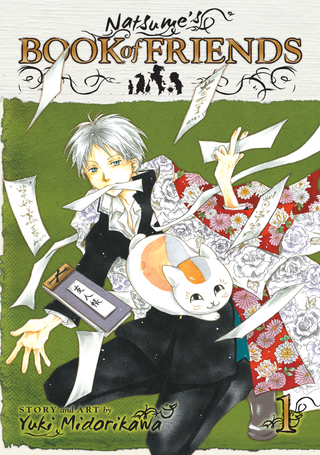
### A Masterpiece of the Supernatural: A Deep Dive into Natsume’s Book of Friends
In the vast landscape of Japanese manga, few titles manage to capture the delicate balance between the ethereal and the mundane as masterfully as Natsume’s Book of Friends (*Natsume Yuujinchou*). Created by the talented Yuki Midorikawa, this series has become a cornerstone of the "iyashikei" (healing) subgenre, offering a poignant exploration of loneliness, kindness, and the invisible threads that connect all living beings.
# Demographics and Genre: A Shoujo That Transcends Boundaries
While *Natsume’s Book of Friends* is officially classified as a Shoujo manga—having been serialized in *LaLa* magazine since 2003—it is a prime example of a story that transcends demographic labels. Its appeal reaches far beyond the traditional young female audience, resonating deeply with fans of Seinen and Shonen alike. This is due to its focus on universal human experiences rather than typical romance. It blends elements of Supernatural, Slice of Life, and Fantasy, creating a narrative that feels both ancient and contemporary.
# The Plot: A Legacy of Names
The story follows Takashi Natsume, a teenage boy who has been burdened since childhood with the ability to see *yokai* (spirits and demons). This "gift" was a curse in his early years; orphaned at a young age, Natsume was passed from relative to relative, often labeled as a "weird" or "attention-seeking" child because he reacted to things others couldn't see.
The narrative shifts when Natsume moves to the rural town where his late grandmother, Reiko, once lived. He discovers a mysterious heirloom: the Yuujinchou, or "Book of Friends." This book contains the names of countless yokai that Reiko defeated and bound to her service. In the world of Japanese folklore, possessing a spirit's name grants the holder absolute power over them.
However, unlike his grandmother—who was powerful but deeply lonely and somewhat cynical—Takashi decides to use the book for a different purpose. Accompanied by Madara (affectionately known as Nyanko-sensei), a powerful, high-ranking spirit who takes the form of a lucky "beckoning cat," Natsume embarks on a journey to return the names to their rightful owners.
# The Core Themes: Loneliness and Connection
At its heart, *Natsume’s Book of Friends* is a study of loneliness. The manga masterfully contrasts the isolation of Natsume’s past with his gradual integration into a warm, loving foster home with the Fujiwaras.
A central theme is the duality of the human and spirit worlds. Natsume acts as a bridge between these two realms. Through his encounters, we see that yokai are not merely monsters; they are beings with complex emotions, memories, and a deep-seated desire for recognition. The act of "returning a name" is not just a supernatural ritual; it is an act of liberation and empathy. It allows Natsume to understand the stories of the spirits and, in turn, heal his own childhood traumas.
Another significant theme is the weight of memory. Many chapters deal with spirits who have waited decades for a human friend who has long since passed away. The manga explores the bittersweet nature of time—how humans live short, fleeting lives compared to the near-immortality of spirits, and the beautiful yet painful footprints we leave on each other's souls.
# Why It Is a Must-Read
What sets this manga apart is its episodic yet progressive storytelling. While many chapters function as standalone stories about a specific yokai, there is a slow, rewarding burn regarding Natsume’s personal growth. We watch him go from a boy who fears the world to a young man who cherishes his "precious days."
The relationship between Natsume and Nyanko-sensei provides the perfect emotional anchor. Their dynamic evolves from a transactional agreement (Madara protects Natsume in exchange for inheriting the book upon Natsume's death) to a profound, unspoken bond of companionship.
# Conclusion
*Natsume’s Book of Friends* is a quiet masterpiece. It doesn't rely on explosive battles or high-stakes melodrama. Instead, it finds its strength in the rustle of leaves, the soft glow of a summer evening, and the quiet realization that being seen—truly seen—is the greatest gift one can receive. For any reader looking for a story that nourishes the soul while providing a fascinating look into Japanese folklore, Yuki Midorikawa’s magnum opus is an essential addition to your collection.
📖 Leer online en Donmanga:
➡️ Natsume's Book of Friends – Leer Manga